Ảnh của Vin Lane-Kieltyka
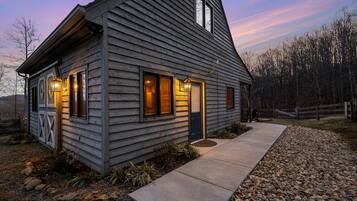
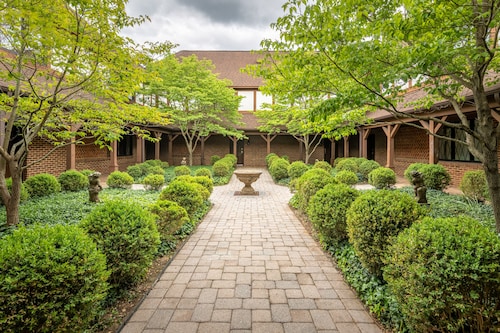
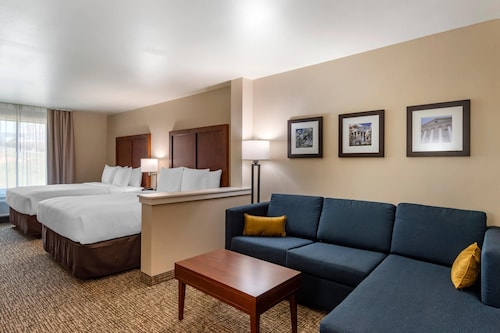
Lodge tại Quận Albemarle
- Đổi ýĐặt phòng ở các khách sạn cho phép hủy miễn phí
- Chọn kỹTìm trong số gần một triệu nơi lưu trú trên toàn thế giới
Kiểm tra giá vào những ngày này
Cuối tuần sau
Hai tuần tới
Một tháng tới
Hai tháng tới
Lodge nổi bật tại Quận Albemarle
Nhận xét hàng đầu về khách sạn ở Quận Albemarle
Thông tin cần biết về Quận Albemarle
Thông tin Lodge tại Quận Albemarle
Số lượng nhận xét của khách | |
|---|---|
Nơi lưu trú | |
Giá rẻ nhất | |
Giá cao nhất |
Khám phá thế giới du lịch cùng Expedia
Những nơi lưu trú khác tại Quận Albemarle
- Cottage tại Quận Albemarle
- Căn hộ tại Quận Albemarle
- Giường và Bữa sáng tại Quận Albemarle
- Homestay tại Quận Albemarle
- Motel tại Quận Albemarle
- Nhà khách tại Quận Albemarle
- Cabin tại Quận Albemarle
- Căn hộ dịch vụ tại Quận Albemarle
- Resort tại Quận Albemarle
- Villa tại Quận Albemarle
- Nhà phố tại Quận Albemarle
- Inn tại Quận Albemarle
- Trang trại tại Quận Albemarle
- Khách sạn
![Monticello was the primary plantation of Thomas Jefferson, the third President of the United States, who began designing and building Monticello at age 26 after inheriting land from his father. Located just outside Charlottesville, Virginia, in the Piedmont region, the plantation was originally 5,000 acres (20 km2), with Jefferson using slaves for extensive cultivation of tobacco and mixed crops, later shifting from tobacco cultivation to wheat in response to changing markets.
Jefferson designed the main house using neoclassical design principles described by Italian Renaissance architect Andrea Palladio, subsequently reworking the design through much of his presidency to include design elements popular in late 18th-century Europe and integrating numerous of his own design solutions. Situated on the summit of an 850-foot (260 m)-high peak in the Southwest Mountains south of the Rivanna Gap, the name Monticello derives from the Italian for "little mount". Along a prominent lane adjacent to the house, Mulberry Row, the plantation came to include numerous outbuildings for specialized functions, e.g., a nailery; quarters for domestic slaves; gardens for flowers, produce, and Jefferson's experiments in plant breeding — along with tobacco fields and mixed crops. Cabins for field slaves were located farther from the mansion.
At Jefferson's direction, he was buried on the grounds, in an area now designated as the Monticello Cemetery. The cemetery is owned by the Monticello Association, a society of his descendants through Martha Wayles Skelton Jefferson.[4] After Jefferson's death, his daughter Martha Jefferson Randolph sold the property. In 1834 it was bought by Uriah P. Levy, a commodore in the U.S. Navy, who admired Jefferson and spent his own money to preserve the property. His nephew Jefferson Monroe Levy took over the property in 1879; he also invested considerable money to restore and preserve it. In 1923, Monroe Levy sold it to the Thomas Jefferson Foundation (TJF), which operates it as a house museum and educational institution. It has been designated a National Historic Landmark. In 1987 Monticello and the nearby University of Virginia, also designed by Jefferson, were together designated a UNESCO World Heritage Site.](https://images.trvl-media.com/place/6082929/fc297070-6be5-4ba5-8b01-2648f1f046f8.jpg?impolicy=fcrop&w=1200&h=500&q=medium)