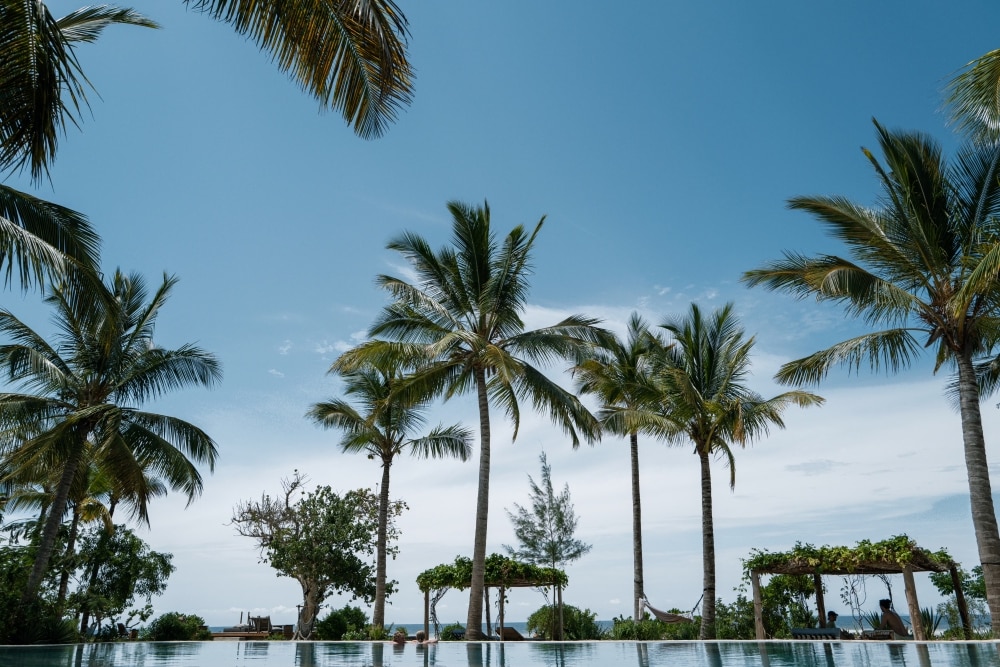

Ngupasan Travel Guide
Tourist Guide

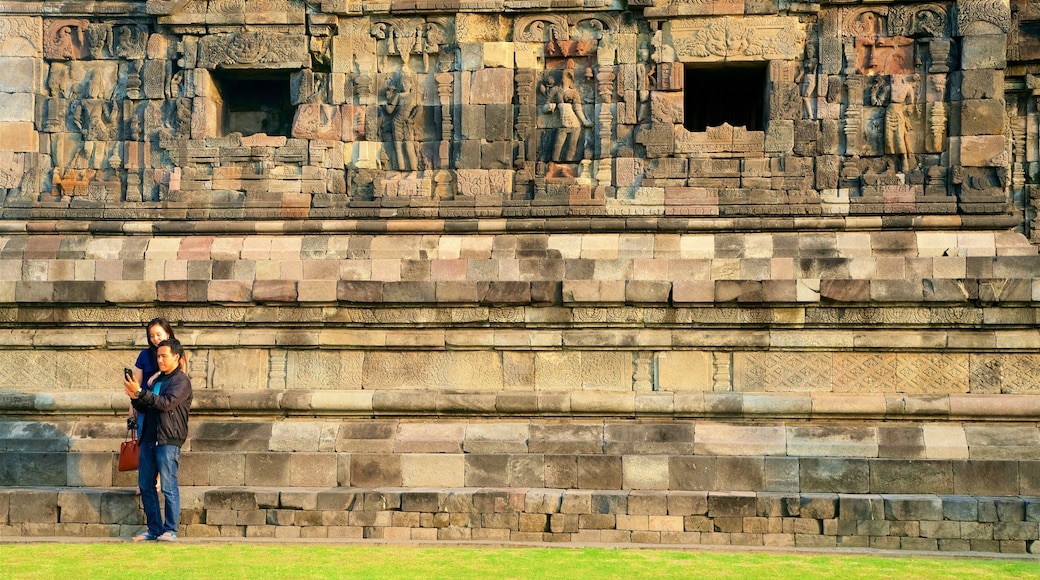



Visit Ngupasan

Melia Purosani Yogyakarta
Jl. Suryotomo No. 31 Yogyakarta Yogyakarta
The price is 1.643.922 ₫ per night from 4 Oct to 5 Oct
1.643.922 ₫
per night
4 Oct - 5 Oct
Stay at this luxury hotel in Yogyakarta. Enjoy free Wi-Fi, free parking and a full-service spa. Our guests praise the helpful staff and the property condition ...
8.8/10 Excellent! (808 reviews)
"This was a great place to stay for my trip to Yogyakarta. It's walking distance to the Maliobro shopping area, and pretty central if you plan to see Borobudur and Prambanan."
Reviewed on 13 Sept 2026

Khas Malioboro
Jl. Gadean No. 3 Yogyakarta
The price is 684.207 ₫ per night from 14 Oct to 15 Oct
684.207 ₫
per night
14 Oct - 15 Oct
Stay at this business-friendly hotel in Yogyakarta. Enjoy free Wi-Fi, free parking and breakfast (surcharge). Popular attractions Malioboro Street and Bringharjo ...
7.6/10 Good! (37 reviews)
"My second stay here and my assessment remains the same. Very friendly and helpful staff. The room was worn and the walls were thin so again I enjoyed the sounds from next door both in the evening and the morning, ensuring that my sleep was truncated at both ends. The AC worked well. But the amenities ..."
Reviewed on 13 Aug 2026

Hotel O Homestay Bambu Oerip Syariah
Glondong, Purwobinangun, Pakem, Pakem Yogyakarta Yogyakarta
The price is 80.280 ₫ per night from 19 Sept to 20 Sept
80.280 ₫
per night
19 Sept - 20 Sept
Stay at this hotel in Yogyakarta. Enjoy cable TV channels. Popular attractions Malioboro Street and Yogyakarta Presidential Palace are located nearby.
Lowest nightly price found within the past 24 hours based on a 1 night stay for 2 adults. Prices and availability subject to change. Additional terms may apply.

Oakwood Yogyakarta
Jl. A.M. Sangaji No.36, Yogyakarta
Stay at this luxury aparthotel in Yogyakarta. Enjoy free parking, breakfast (surcharge) and 24-hour room service. Popular attractions Malioboro Street and Tugu ...

Marra Hotel
Jl. Seturan Raya No.1 Depok Yogyakarta
Stay at this business-friendly aparthotel in Depok. Enjoy free Wi-Fi, free parking and a rooftop terrace. Popular attractions Malioboro Street and Depok Sports ...
7.8/10 Good! (25 reviews)
"Room ok for size, clean, very noisy area, pool access limited to two broken ladders so no exiting pool if you are old, also pool area very slippery if wet"
Reviewed on 7 Nov 2022

Villa Joglo Paris Yogyakarta
Jl. Parangtritis - Panggang, Parangtritis Yogyakarta
Stay at this villa in Parangtritis. Enjoy free Wi-Fi and free parking. Popular attractions Parangtritis Beach and Pantai Parangkusumo are located nearby.
Lowest nightly price found within the past 24 hours based on a 1 night stay for 2 adults. Prices and availability subject to change. Additional terms may apply.
Stay near popular Ngupasan attractions



- Fort Vredeburg Museum
- Sonobudoyo Museum
- Bringharjo Market
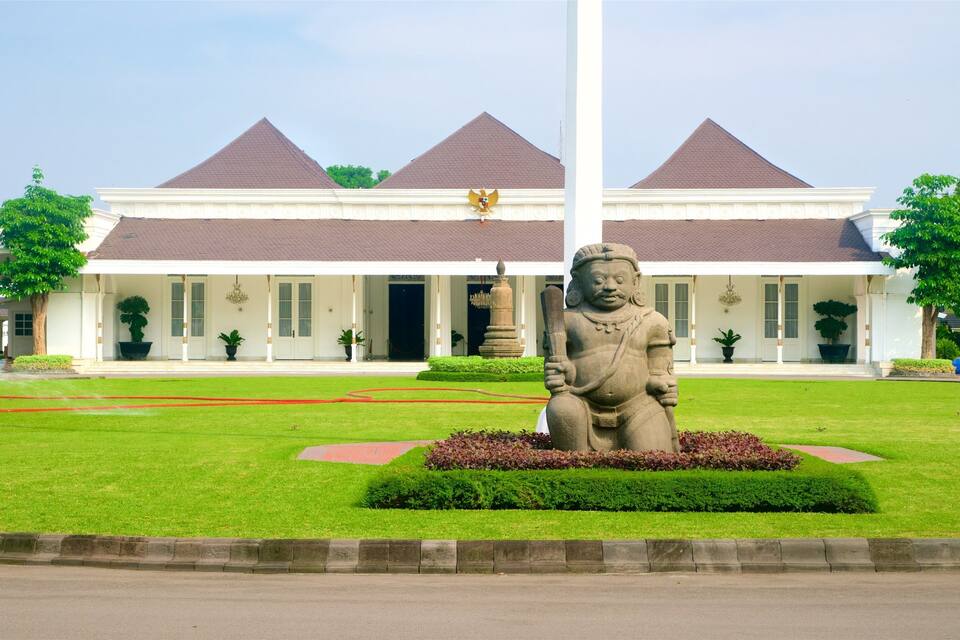
- Gedung Agung
- Borobudur Temple
- Gembira Loka Zoo
- Jogja City Mall
- Plaza Ambarrukmo
- Gadjah Mada University
- Maguwoharjo Stadium
- Punthuk Setumbu Hill
- Taman Sari
- Sleman City Hall
- Pakuwon Mall
- Mendut Buddhist Monastery
- Pasar Ngasem
- Islamic University of Indonesia