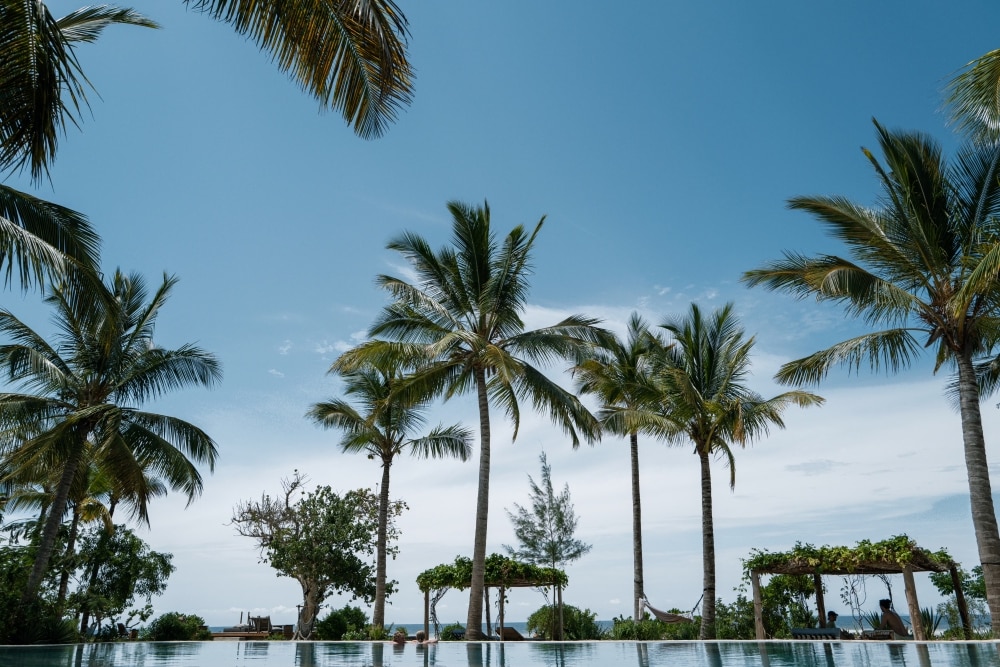

Klontal Travel Guide
Tourist Guide
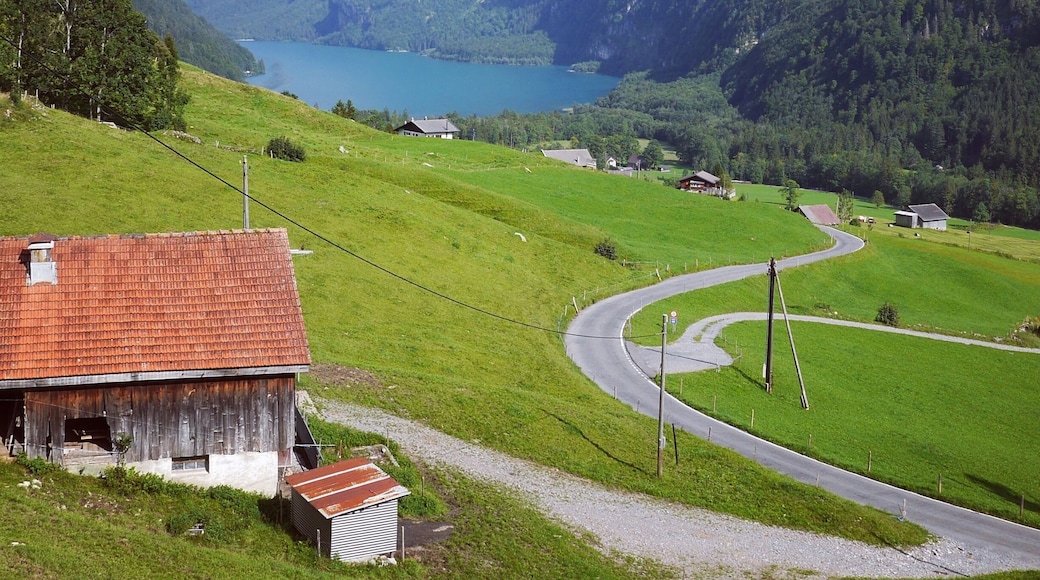
Visit Klontal
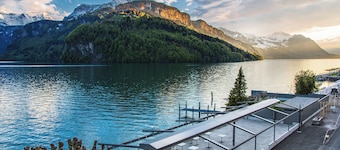
Seehotel Waldstaetterhof Swiss Quality
Waldstaetterquai 6 Ingenbohl SZ
The price is 7.756.005 ₫ per night from 13 Sept to 14 Sept
7.756.005 ₫
8.211.619 ₫ total
13 Sept - 14 Sept
includes taxes & fees
Stay at this beach hotel in Ingenbohl. Enjoy free breakfast, free Wi-Fi and a full-service spa. Popular attractions Bundeskapelle Brunnen and Seilbahn Brunnen ...
9.4/10 Exceptional! (211 reviews)
"Absolutely beautiful view from room, delicious food, excellent service. Historic charming property. A little older as it was built in 1870, but we'll taken care of and property updated. Come with the proper expectation and you will be very happy."
Reviewed on 25 Aug 2026

Hotel Neu-Schönstatt
1 Josef-Kentenich-Weg Quarten SG
The price is 4.076.518 ₫ per night from 6 Oct to 7 Oct
4.076.518 ₫
4.231.426 ₫ total
6 Oct - 7 Oct
includes taxes & fees
Stay at this spa hotel in Quarten. Enjoy free Wi-Fi, free parking and a full-service spa. Popular attractions Unterterzen Ferry Terminal and Unterterzen Cable ...
9/10 Wonderful! (205 reviews)
"This hotel has no one staffing front desk. You checking on a computer. Everyone checking in at same time. You make your key but no plastic cards left to Make a key. The parking is 200 yards away and you have to walk uphill The elevator is so small everyone has to drag their luggage up yhe stair. ..."
Reviewed on 23 Aug 2026

Bellevue
Dorfstrasse 70 Seelisberg
The price is 4.268.593 ₫ per night from 8 Oct to 9 Oct
4.268.593 ₫
4.430.800 ₫ total
8 Oct - 9 Oct
includes taxes & fees
Stay at this hotel in Seelisberg. Enjoy free breakfast, free Wi-Fi and free parking. Popular attractions Maria Sonnenberg Chapel and Ruetli Meadow are located ...
Lowest nightly price found within the past 24 hours based on a 1 night stay for 2 adults. Prices and availability subject to change. Additional terms may apply.

Schiffli
Fischmarktstrasse Rapperswil-Jona SG
Stay at this apartment in Rapperswil-Jona. Enjoy free Wi-Fi, laundry facilities and an in-room espresso maker. Popular attractions St. James Way and The Polish ...
Lowest nightly price found within the past 24 hours based on a 1 night stay for 2 adults. Prices and availability subject to change. Additional terms may apply.
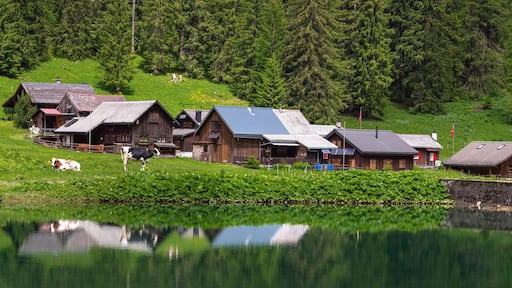
- Laax Ski Resort
- Flumserberg
- Laax Ski Area
- Ageri Lake
- Flims Ski Resort
- Brunni Ski Resort
- Braunwald Ski Resort
- Fronalpstock
- Natur- und Tierpark Goldau
- Elm Ski Resort
- Swiss Casinos Pfaeffikon-Zurichsee
- Rapperswil-Jona Municipal Museum
- Klausen Pass
- Niederurnen-Morgenholz Cable Car
- Flueelen-Eggberge Cable Car
- Flumserberg
- Ski Region Mythen
- Gratwanderung Stoos
- Knies Kinderzoo
- Ruetli Meadow
- Klingenstock
- Brigels Ski Resort
- Atzmaennig Ski Lift
- Standseilbahn Schwyz-Stoos
- Plaun Ski Lift