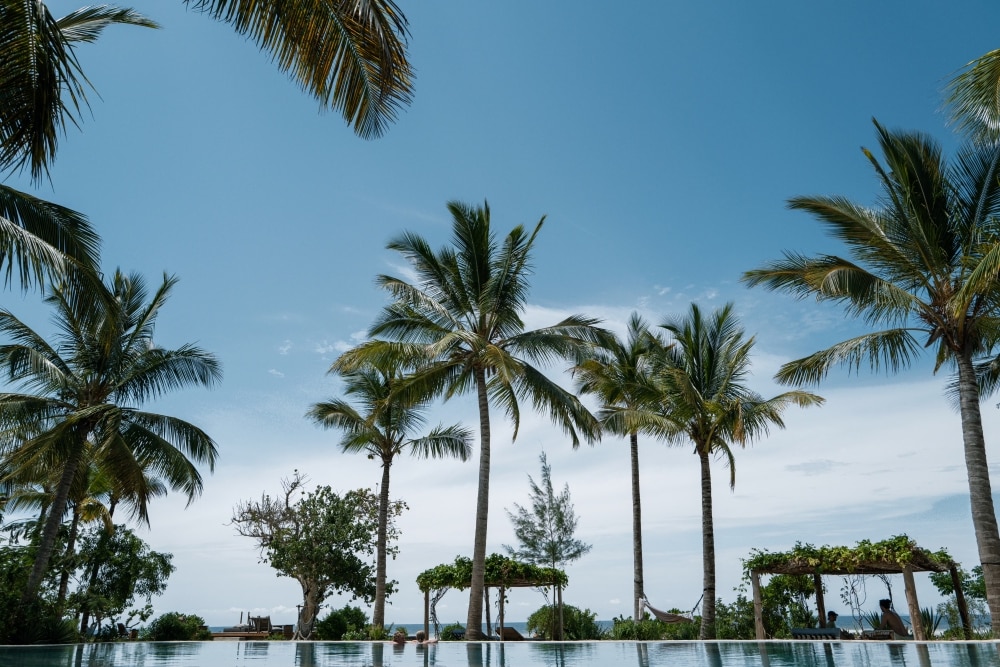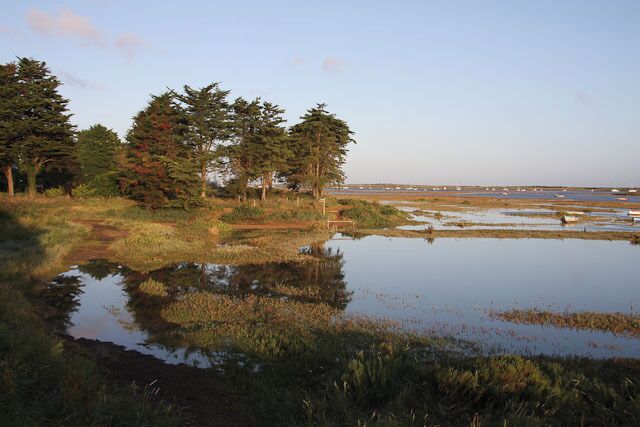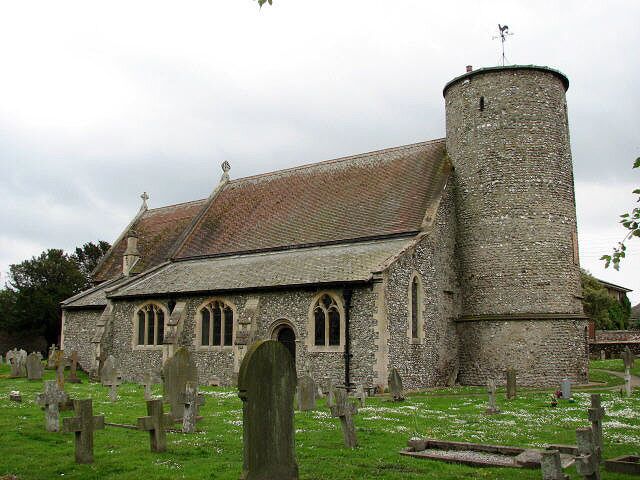

Burnham Deepdale
Cẩm nang du lịch


Thăm Burnham Deepdale

The Dukes Head Hotel
5-6 Tuesday Market Place King's Lynn England
Giá là 1.780.015 ₫ mỗi đêm từ 23 thg 10 đến 24 thg 10
1.780.015 ₫
mỗi đêm
23 thg 10 - 24 thg 10
Lưu trú tại khách sạn ở King's Lynn này. Có nhiều dịch vụ, tiện nghi chờ đón du khách như Wifi miễn phí, 2 nhà hàng và bữa sáng (phụ phí). Theo nhận xét trên ...
8,4/10 Rất tốt! (1.001 nhận xét)
"Had a two night weekend break. Arrived earlier than checkin time but were able to leave the car in the carpark - note there is £15 per 24 hr fee. When we did checkin my partner's birthday was acknowledged and our room was upgraded! Room was spacious. A little worn in places but overall clean and ..."
Đăng vào ngày 20/09/2026
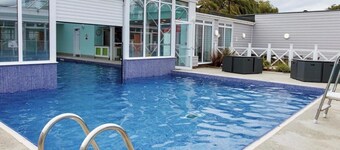
2 Bedroom Caravan Hunstanton Pets go Free
Hunstanton England
Lưu trú tại chalet ở Hunstanton này. Có nhiều dịch vụ, tiện nghi chờ đón du khách như bãi đậu xe miễn phí, ban công và hồ bơi trong nhà. Công viên Cầu vồng và ...
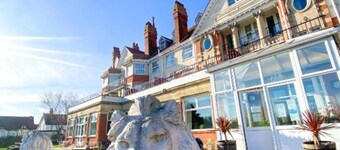
Skegness The Royal Hotel
Drummond road Skegness England
Giá là 1.406.577 ₫ mỗi đêm từ 14 thg 10 đến 15 thg 10
1.406.577 ₫
mỗi đêm
14 thg 10 - 15 thg 10
Lưu trú tại khách sạn phù hợp với doanh nhân/khách đi công tác ở Skegness này. Có nhiều dịch vụ, tiện nghi chờ đón du khách như bữa sáng miễn phí, Wifi miễn ...
7/10 Tốt! (139 nhận xét)
"Lovely staff, nice hotel in a good location."
Đăng vào ngày 30/09/2026
Giá thấp nhất mỗi đêm dựa trên kết quả tìm kiếm trong vòng 24 giờ qua cho 1 đêm lưu trú cho 2 người lớn. Giá và tình trạng chỗ có thể thay đổi. Có thể áp dụng điều khoản bổ sung.

Bricksage Rooms, King's Lynn The Walks
10 Blackfriars Road King's Lynn England
Lưu trú tại nhà nghỉ ở King's Lynn này. Có nhiều dịch vụ, tiện nghi chờ đón du khách như dịch vụ dọn phòng. Bảo tàng Lynn và Tháp Greyfriars nổi tiếng nằm ngay ...
2 Bedroom Caravan Hunstanton Pets go Free
Hunstanton England
Lưu trú tại chalet ở Hunstanton này. Có nhiều dịch vụ, tiện nghi chờ đón du khách như bãi đậu xe miễn phí, ban công và hồ bơi trong nhà. Công viên Cầu vồng và ...

Coasters Hotel & Apartments
10 North Parade Skegness England
Lưu trú tại căn hộ ở Skegness này. Nhà hát Embassy và Vườn Tháp nổi tiếng nằm ngay trong khu vực lân cận.
8,4/10 Rất tốt! (137 nhận xét)
"Property was ok to sleep in few down points regarding bathroom cleaning and no toaster in kitchen Property may look into getting few more bits into kitchen for cooking facilities no frying pans there could do with few clothes hooks for coats too"
Đăng vào ngày 28/09/2026
Giá thấp nhất mỗi đêm dựa trên kết quả tìm kiếm trong vòng 24 giờ qua cho 1 đêm lưu trú cho 2 người lớn. Giá và tình trạng chỗ có thể thay đổi. Có thể áp dụng điều khoản bổ sung.
Lưu trú gần danh thắng nổi tiếng của Burnham Deepdale
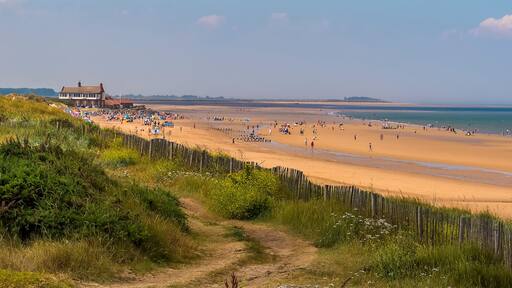
- Dinh thự Sandringham
- Nhà thờ Đức Mẹ Walsingham
- Bãi biển Brancaster
- Nhà hát Embassy
- Lâu đài Rising
- Dinh thự Houghton
- Khu bảo tồn Thiên nhiên Quốc gia Gibraltar Point
- Trang trại Snettisham Park
- Thủy cung Skegness
- Khu bảo tồn thiên nhiên quốc gia The Wash
- RSPB Snettisham
- Công viên tự nhiên Pensthorpe
- Trung tâm Di sản Hunstanton
- Trang trại Courtyard
- Ga đường sắt North Norfolk Holt