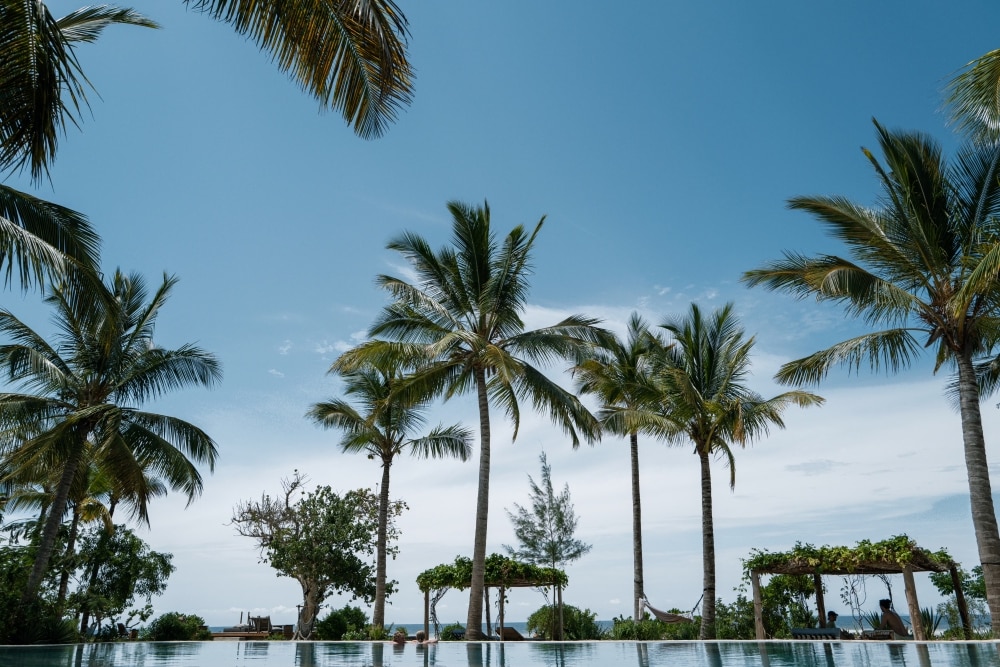

Gowongan
Cẩm nang du lịch

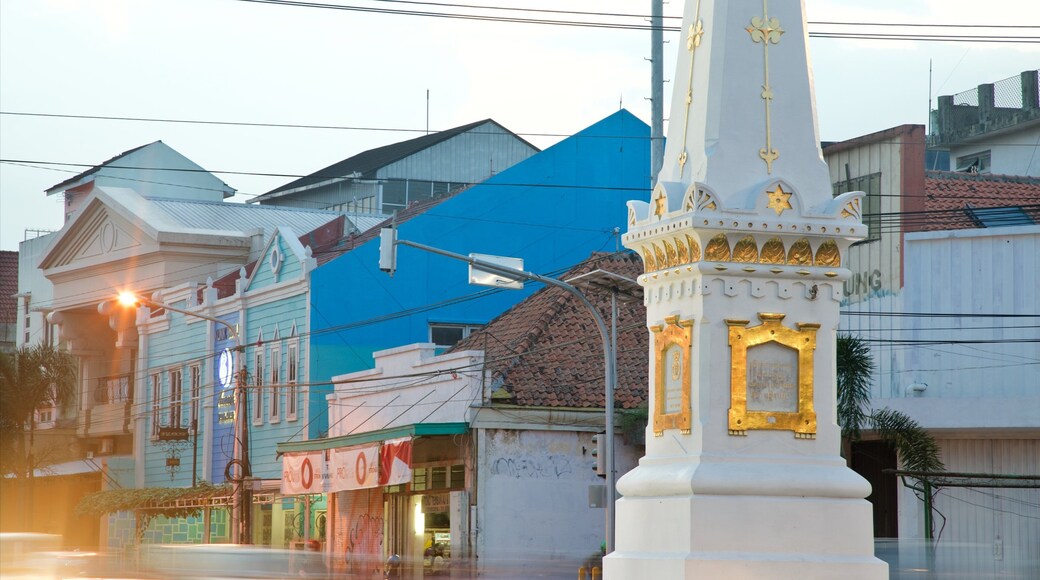
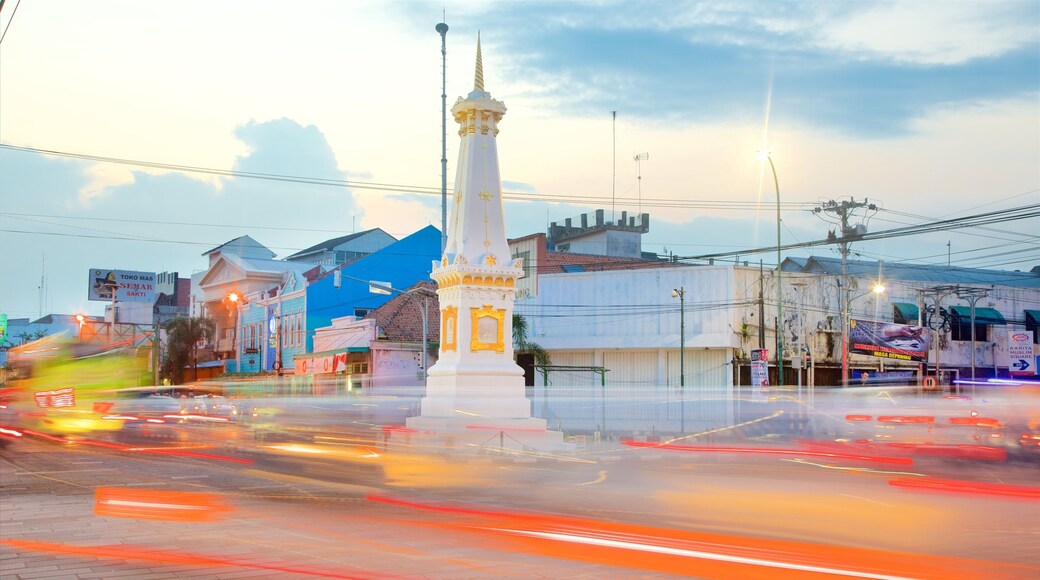
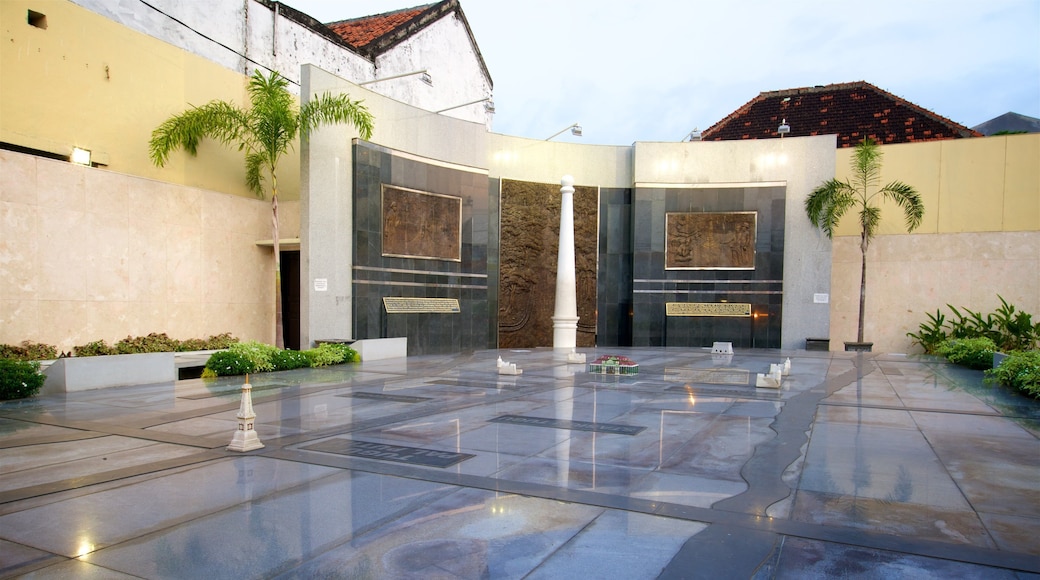
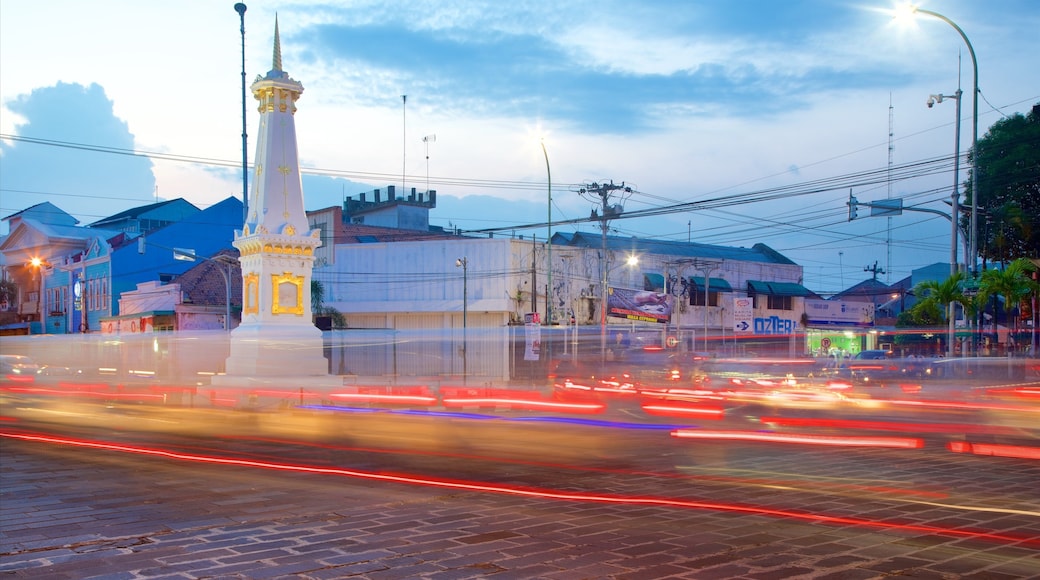
Thăm Gowongan

The Pod Mangkubumi
no.95 Jl. Margo Utomo Yogyakarta DI Jogjakarta
Giá là 197.839 ₫ mỗi đêm từ 1 thg 10 đến 2 thg 10
197.839 ₫
Tổng 239.385 ₫
01/10 - 02/10
bao gồm thuế & phí
Lưu trú tại khách sạn ở Yogyakarta này. Có nhiều dịch vụ, tiện nghi chờ đón du khách như Wifi miễn phí, bãi đậu xe miễn phí và quầy tiếp tân phục vụ 24 giờ. ...

THE 1O1 Yogyakarta Tugu
Jalan Margoutomo No.103 (Mangkubumi) Yogyakarta Yogyakarta
Giá là 1.168.596 ₫ mỗi đêm từ 30 thg 9 đến 1 thg 10
1.168.596 ₫
Tổng 1.414.002 ₫
30/09 - 01/10
bao gồm thuế & phí
Lưu trú tại khách sạn spa ở Yogyakarta này. Có nhiều dịch vụ, tiện nghi chờ đón du khách như Wifi miễn phí, bãi đậu xe miễn phí và spa với đầy đủ các liệu ...

HUBS Hostel Yogyakarta
No. 60 Jalan P. Mangkubumi Yogyakarta Jogja
Giá là 340.867 ₫ mỗi đêm từ 29 thg 9 đến 30 thg 9
340.867 ₫
Tổng 412.450 ₫
29/09 - 30/09
bao gồm thuế & phí
Lưu trú tại hostel ở Yogyakarta này. Có nhiều dịch vụ, tiện nghi chờ đón du khách như Wifi miễn phí, bãi đậu xe miễn phí và bữa sáng (phụ phí). Phố Malioboro ...
Giá thấp nhất mỗi đêm dựa trên kết quả tìm kiếm trong vòng 24 giờ qua cho 1 đêm lưu trú cho 2 người lớn. Giá và tình trạng chỗ có thể thay đổi. Có thể áp dụng điều khoản bổ sung.

Oakwood Yogyakarta
Jl. A.M. Sangaji No.36, Yogyakarta
Lưu trú tại khách sạn căn hộ sang trọng ở Yogyakarta này. Có nhiều dịch vụ, tiện nghi chờ đón du khách như bãi đậu xe miễn phí, bữa sáng (phụ phí) và dịch vụ ...

Villa Amalura
Jl. Wirosaban Barat No.88, Sorosutan Yogyakarta jawa tengah
Lưu trú tại biệt thự ở Yogyakarta này. Có nhiều dịch vụ, tiện nghi chờ đón du khách như Wifi miễn phí, bãi đậu xe miễn phí và 2 hồ bơi ngoài trời. Phố Malioboro ...

Marra Hotel
Jl. Seturan Raya No.1 Depok Yogyakarta
Lưu trú tại khách sạn căn hộ phù hợp với doanh nhân/khách đi công tác ở Depok này. Có nhiều dịch vụ, tiện nghi chờ đón du khách như Wifi miễn phí, bãi đậu xe ...
7,8/10 Tốt! (25 nhận xét)
Not recomendeed to have
"Messy and dirty"
Đăng vào ngày 29/10/2024
Giá thấp nhất mỗi đêm dựa trên kết quả tìm kiếm trong vòng 24 giờ qua cho 1 đêm lưu trú cho 2 người lớn. Giá và tình trạng chỗ có thể thay đổi. Có thể áp dụng điều khoản bổ sung.
Lưu trú gần danh thắng nổi tiếng của Gowongan



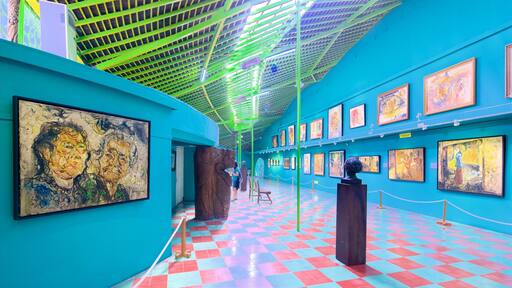
- Đài tưởng niệm Yogyakarta
- Chùa cổ Borobudur
- Đền Prambanan
- Vườn thú Gembira Loka
- Trung tâm Thương mại Jogja City Mall
- Taman Sari
- Đại học Gadjah Mada
- Trung tâm Thương mại Plaza Ambarrukmo
- Bãi biển Parangtritis
- Đồi Punthuk Setumbu
- Trung tâm Thương mại Sleman City Hall
- Sân khấu Nghệ thuật Múa truyền thống Ramayana
- Đền Candi Pawon
- Trung tâm Thương mại Lippo Plaza Jogja
- Sân vận động Maguwoharjo
- Trung tâm Thương mại Galeria
- Sân golf Merapi
- Đền Mendut
- Imogiri
- Phủ Tổng thống Yogyakarta