Ảnh của Sharrie Shaw
Khách sạn Surakarta
- Đổi ýĐặt phòng ở các khách sạn cho phép hủy miễn phí
- Chọn kỹTìm trong số gần một triệu nơi lưu trú trên toàn thế giới
Đổi mới đôi chút thay vì chọn nơi lưu trú quen thuộc tại Surakarta
Phù hợp cho khách gia đình
Kiểm tra giá vào những ngày này
Lựa chọn hàng đầu của chúng tôi về khách sạn ở Surakarta
Giá hiện tại là 1.757.940 ₫
Tổng 2.127.107 ₫
bao gồm thuế & phí
18/01 - 19/01/2026

9.0 trên 10, Tuyệt vời, (6)
Giá hiện tại là 1.425.941 ₫
Tổng 1.725.388 ₫
bao gồm thuế & phí
23/01 - 24/01/2026

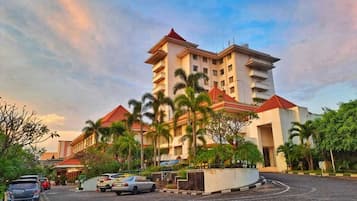
The Alana Hotel and Convention Center - Solo by Aston
The Alana Hotel and Convention Center - Solo by AstonColomadu
8.2 trên 10, Rất tốt, (62)
Giá hiện tại là 936.585 ₫
Tổng 1.133.267 ₫
bao gồm thuế & phí
20/01 - 21/01/2026

9.0 trên 10, Tuyệt vời, (9)

8.2 trên 10, Rất tốt, (102)
Giá hiện tại là 661.117 ₫
Tổng 799.952 ₫
bao gồm thuế & phí
22/01 - 23/01/2026
Giá thấp nhất mỗi đêm dựa trên kết quả tìm kiếm trong vòng 24 giờ qua cho 1 đêm lưu trú cho 2 người lớn. Giá và tình trạng phòng có thể thay đổi. Có thể áp dụng điều khoản bổ sung.
Đăng nhập để ti ết kiệm trung bình 15% tại hàng ngàn khách sạn
Nghỉ tại đâu trong chuyến du lịch đến Surakarta
Tìm những khu vực tại Surakarta nổi tiếng về các hoạt động mà bạn thích nhất. Tìm hiểu thêm về Surakarta
Tìm hiểu thêm về Surakarta
Trung tâm Thành phố Solo
Những bảo tàng hàng đầu và vườn thú nổi tiếng sẽ khiến bạn không muốn rời Trung tâm Thành phố Solo. Nếu còn thời gian, bạn có thể thêm Solo Paragon Lifestyle Mall hoặc Công viên Keprabon vào hành trình khám phá của mình.
Banjarsari
Solo Paragon Lifestyle Mall và Công viên Thành phố Balekambang là hai địa điểm không nên bỏ qua khi bạn có kế hoạch đến Banjarsari.
Lưu trú gần danh thắng nổi tiếng của Surakarta
Surakarta và điểm đến liên quan
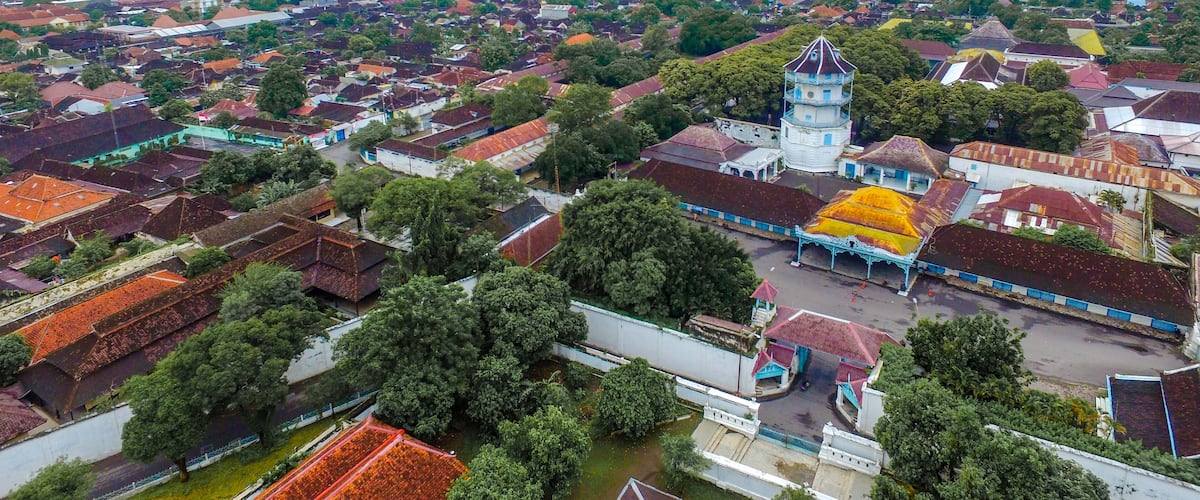
Đã lâu rồi bạn không tự thưởng cho mình một kỳ nghỉ? Lên kế hoạch đến Surakarta, điểm đến thời thượng và trải nghiệm những điều không thể bỏ qua như giàu bản sắc văn hóa, những tòa lâu đài tuyệt đẹp, vườn thú.
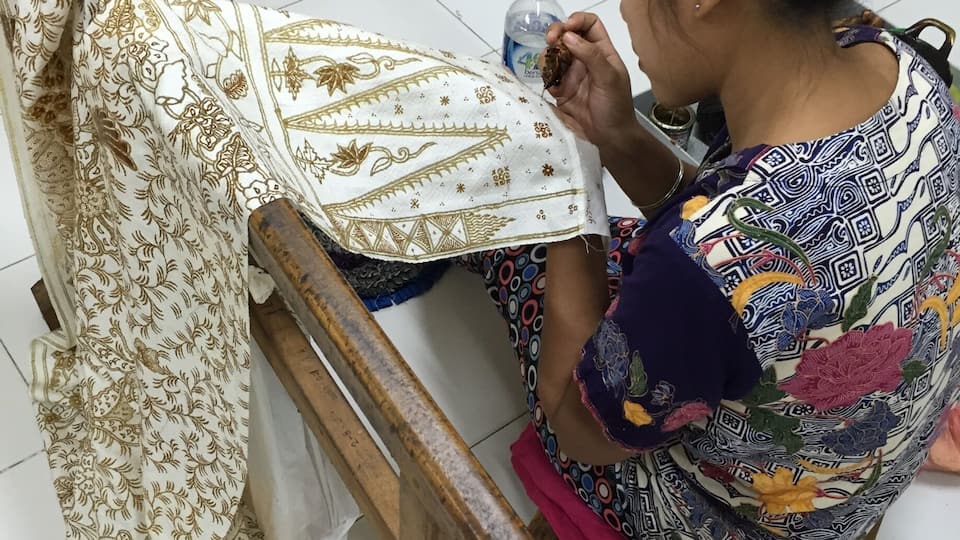
![At the museum no photos are allowed which is really unfortunate as it was well worth the visit and the guided tour is definitely not to be missed. In the museum there are even Batik made from the Dutch era which depicts stories like Little Red Riding Hood and Snow White!
I enjoyed the tour v much and at the end of the tour we were brought to this room where the artisan were working on hand drawn batik.
Below is an excerpt from Wikipedia for anyone interested in learning more about the process of batik making.
Firstly, a cloth is washed, soaked and beaten with a large mallet. Patterns are drawn with pencil and later redrawn using hot wax, usually made from a mixture of paraffin or bees wax, sometimes mixed with plant resins, which functions as a dye-resist. The wax can be applied with a variety of tools. A pen-like instrument called a canting (IPA: [tʃantiŋ], sometimes spelled with old Dutch orthography tjanting) is the most common. A canting is made from a small copper reservoir with a spout on a wooden handle. The reservoir holds the resist which flows through the spout, creating dots and lines as it moves. For larger patterns, a stiff brush may be used. Alternatively, a copper block stamp called a cap (IPA: [tʃap]; old spelling tjap) is used to cover large areas more efficiently.
After the cloth is dry, the resist is removed by scraping or boiling the cloth. The areas treated with resist keep their original color; when the resist is removed the contrast between the dyed and undyed areas forms the pattern. This process is repeated as many times as the number of colors desired.
The most traditional type of batik, called batik tulis (written batik), is drawn using only the canting. The cloth need to be drawn on both sides and dipped in a dye bath three to four times. The whole process may take up to a year; it yields considerably finer patterns than stamped batik.
Source: Wikipedia](https://images.trvl-media.com/place/6224808/26fd1460-c65a-4c1a-9444-7a893e883ac9.jpg?impolicy=fcrop&w=300&h=400&p=1&q=high)
Ảnh của Sharrie Shaw
Xem ảnh của Sharrie Shaw
Nhận xét hàng đầu về khách sạn ở Surakarta
Nơi lưu trú giá rẻ tại Surakarta
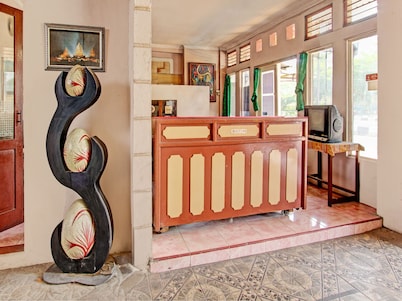
Hotel Tirtonadi Permai
6 Jl. Tagore Surakarta Jawa Tengah
Giá là 322.479 ₫ mỗi đêm từ 14 thg 1 đến 15 thg 1
322.479 ₫
Tổng 390.200 ₫
14/01 - 15/01/2026
bao gồm thuế & phí
![At the museum no photos are allowed which is really unfortunate as it was well worth the visit and the guided tour is definitely not to be missed. In the museum there are even Batik made from the Dutch era which depicts stories like Little Red Riding Hood and Snow White!
I enjoyed the tour v much and at the end of the tour we were brought to this room where the artisan were working on hand drawn batik.
Below is an excerpt from Wikipedia for anyone interested in learning more about the process of batik making.
Firstly, a cloth is washed, soaked and beaten with a large mallet. Patterns are drawn with pencil and later redrawn using hot wax, usually made from a mixture of paraffin or bees wax, sometimes mixed with plant resins, which functions as a dye-resist. The wax can be applied with a variety of tools. A pen-like instrument called a canting (IPA: [tʃantiŋ], sometimes spelled with old Dutch orthography tjanting) is the most common. A canting is made from a small copper reservoir with a spout on a wooden handle. The reservoir holds the resist which flows through the spout, creating dots and lines as it moves. For larger patterns, a stiff brush may be used. Alternatively, a copper block stamp called a cap (IPA: [tʃap]; old spelling tjap) is used to cover large areas more efficiently.
After the cloth is dry, the resist is removed by scraping or boiling the cloth. The areas treated with resist keep their original color; when the resist is removed the contrast between the dyed and undyed areas forms the pattern. This process is repeated as many times as the number of colors desired.
The most traditional type of batik, called batik tulis (written batik), is drawn using only the canting. The cloth need to be drawn on both sides and dipped in a dye bath three to four times. The whole process may take up to a year; it yields considerably finer patterns than stamped batik.
Source: Wikipedia](https://images.trvl-media.com/place/6224808/26fd1460-c65a-4c1a-9444-7a893e883ac9.jpg?impolicy=fcrop&w=1200&h=500&q=medium)