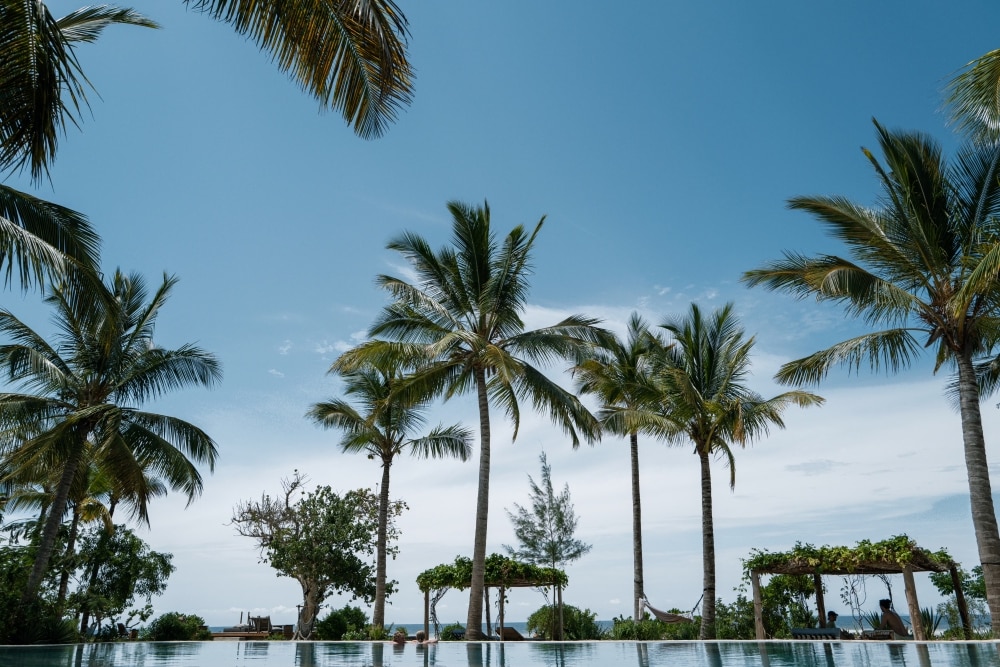

Guise
Cẩm nang du lịch

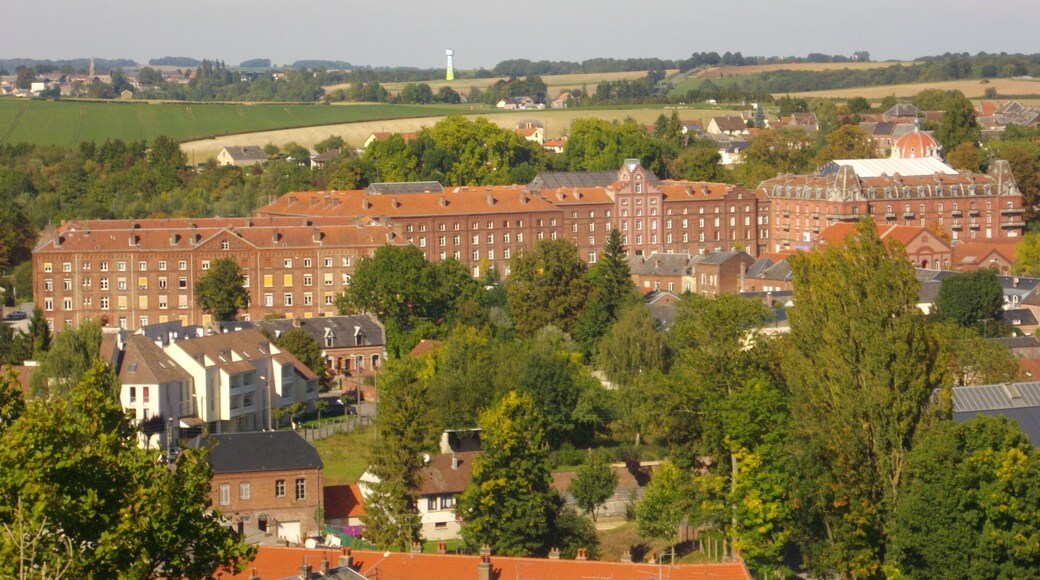

Thăm Guise

B&B HOTEL Saint-Quentin
ZAC de la Vallée Saint-Quentin
Giá là 1.442.058 ₫ mỗi đêm từ 14 thg 8 đến 15 thg 8
1.442.058 ₫
mỗi đêm
14 thg 8 - 15 thg 8
Lưu trú tại khách sạn ở Saint-Quentin này. Có nhiều dịch vụ, tiện nghi chờ đón du khách như Wifi miễn phí, bãi đậu xe miễn phí và bữa sáng (phụ phí). Royal ...
The Originals Boutique, Hôtel 3 étoiles Les Coulisses du Théâtre
8 Rue de la Comédie Saint-Quentin Haut-de-France
Giá là 2.742.736 ₫ mỗi đêm từ 26 thg 8 đến 27 thg 8
2.742.736 ₫
mỗi đêm
26 thg 8 - 27 thg 8
Lưu trú tại khách sạn ở Saint-Quentin này. Có nhiều dịch vụ, tiện nghi chờ đón du khách như Wifi miễn phí, bữa sáng (phụ phí) và bãi đậu xe tự phục vụ (phụ ...

Campanile Saint Quentin
ZAC de la Vallée Rue Charles - Naudin Saint-Quentin Aisne
Giá là 1.322.390 ₫ mỗi đêm từ 28 thg 7 đến 29 thg 7
1.322.390 ₫
mỗi đêm
28 thg 7 - 29 thg 7
Lưu trú tại khách sạn phù hợp cho khách gia đình ở Saint-Quentin này. Có nhiều dịch vụ, tiện nghi chờ đón du khách như Wifi miễn phí, bãi đậu xe miễn phí và ...
8/10 Rất tốt! (478 nhận xét)
"Certaines chambres sont avec de la moquette, l’hôtel de derrière est très bruyant pour les chambres qui donnent sur l'arrière, en cas de grosse chaleur, obligé d'ouvrir les fenêtres. Literie et petit déjeuner parfait."
Đăng vào ngày 15/07/2026
Giá thấp nhất mỗi đêm dựa trên kết quả tìm kiếm trong vòng 24 giờ qua cho 1 đêm lưu trú cho 2 người lớn. Giá và tình trạng chỗ có thể thay đổi. Có thể áp dụng điều khoản bổ sung.

Domitys - Château de la Pilule
110 Av. de la République Saint-Quentin Aisne
Lưu trú tại khách sạn căn hộ ở Saint-Quentin này. Có nhiều dịch vụ, tiện nghi chờ đón du khách như Wifi miễn phí, bãi đậu xe miễn phí và bữa sáng (phụ phí). ...

Les Lavandières de Fontaine - B
27 rue des Lavandières Fontaine-lès-Vervins Aisne
Lưu trú tại khách sạn căn hộ sang trọng ở Fontaine-lès-Vervins này. Có nhiều dịch vụ, tiện nghi chờ đón du khách như bữa sáng miễn phí, Wifi miễn phí và bãi ...
Domaine du lac de condé
promenade d'Orléans route de Guise Le Nouvion-en-Thierache
Lưu trú tại khách sạn căn hộ golf ở Le Nouvion-en-Thierache này. Có nhiều dịch vụ, tiện nghi chờ đón du khách như Wifi miễn phí, bãi đậu xe miễn phí và hồ bơi ...
10/10 Ngoại hạng! (1 nhận xét)
"Super, le lieu est paisible, agréable. Les bengalow (type chalet luxe) sont vraiment top et très agréable. Grande terrasse avec jacuzzi à volonté sans vis à vis. Accès piscine municipale (compris dans le prix!). Les hôtes sont. Adorables et très accueillants/souriants/dispos !"
Đăng vào ngày 18/07/2026
Giá thấp nhất mỗi đêm dựa trên kết quả tìm kiếm trong vòng 24 giờ qua cho 1 đêm lưu trú cho 2 người lớn. Giá và tình trạng chỗ có thể thay đổi. Có thể áp dụng điều khoản bổ sung.
Lưu trú gần danh thắng nổi tiếng của Guise
- Bảo tàng Familistere de Guise
- Lâu đài Guise
- Công viên Tự nhiên Vùng Avesnois
- Bảo tàng Départemental Henri Matisse
- Nghĩa trang và Đài tưởng niệm Lính Mỹ Somme
- Le Splendid
- Công viên Champs-Élysées
- Bãi biển Isle
- Công viên d'Isle
- Bảo tàng bươm bướm
- Câu lạc bộ gôn Saint Quentin Mesnil
- Văn phòng Du lịch Pays de Thierache
- Bảo tàng ren và thêu Caudresien
- Cung thể thao Pierre Ratte
- Bảo tàng Touage
- Bảo tàng Thời kỳ Đen tối
- Nhà hát Jean-Vilar
- Royal Kids Saint Quentin
- Bảo tàng Antoine Lécuyer